Contact us : contact@digitechgenai.com

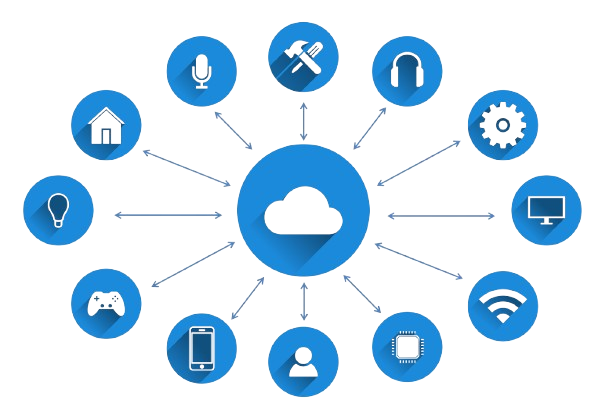

For modern digital businesses, scaling is no longer just about buying bigger machines—it is an architectural requirement. The role of cloud computing in business scalability has redefined how organizations handle traffic surges, roll out digital products globally, and manage infrastructure overhead without capital waste.
In traditional on-premises setups, expanding capacity meant months of server procurement, physical rack installations, and massive upfront Capital Expenditure (CapEx). When demand plummeted, that expensive hardware sat idle. Cloud computing fundamentally solves this problem by decoupling computing capacity from physical constraints, replacing static hardware with on-demand, elastic resources.
What is Scalability in Cloud Computing?
Scalability is an infrastructure’s capacity to dynamically increase or decrease computing power, storage, and throughput to meet fluctuating workload demands without degrading system performance.
Unlike elasticity—which focuses on real-time, automated resource adaptation to short-term spikes—scalability represents the systemic capability of an architecture to sustain continuous long-term business growth.
                  ┌─────────────────────────────────────────────────┐
                  │       Core Cloud Scalability Dimensions         │
                  └────────────────────────┬────────────────────────┘
                                           │
            ┌──────────────────────────────┼──────────────────────────────┐
            ▼                              ▼                              ▼
┌───────────────────────────┐  ┌───────────────────────────┐  ┌───────────────────────────┐
│     Horizontal Scaling    │  │      Vertical Scaling     │  │     Elastic Auto-Scaling  │
│        (Scale Out)        │  │         (Scale Up)        │  │     (Dynamic Adaptation)  │
│ Adds multiple distributed │  │ Upgrades CPU, RAM, & disk │  │ Automatically provisions  │
│ nodes / microservices     │  │ capacity on a single node │  │ instances based on load   │
└───────────────────────────┘  └───────────────────────────┘  └───────────────────────────┘
The Three Scalability Paradigms:
- Horizontal Scalability (Scale Out / Scale In): Adding more machine instances or containers to a distributed cluster (e.g., adding worker nodes to an AWS ECS cluster or Kubernetes deployment behind a load balancer).
- Vertical Scalability (Scale Up / Scale Down): Increasing processing specifications (upgrading CPU cores, RAM, or NVMe storage) on an existing virtual server or database instance.
- Automated Elasticity (Dynamic Scaling): Using threshold triggers (CPU utilization > 70%, request queues, or memory limits) to add and remove resources automatically without human intervention.

Traditional Infrastructure vs. Cloud Scalability
| Dimension | Legacy On-Premises Infrastructure | Modern Cloud Scalability |
|---|---|---|
| Financial Model | Heavy upfront CapEx (hardware, cooling, real estate) | Flexible OpEx (pay-as-you-go, per-second billing) |
| Provisioning Speed | Weeks to months for hardware procurement and setup | Seconds to minutes via CLI, Console, or Terraform |
| Peak Load Strategy | Over-provisioned hardware that sits idle during off-peak | Elastic auto-scaling groups that adapt dynamically |
| Failure Recovery | Manual failover, expensive redundant cold spares | Multi-region, automated availability-zone failover |
| Global Expansion | Building or leasing regional data centers | Instant multi-region deployment across global CDNs |
| Maintenance Overhead | Dedicated hardware, power, and physical maintenance teams | Managed platforms (PaaS/IaaS/Serverless) |
7 Ways Cloud Computing Fuels Business Scalability
1. Eliminating Capital Risk with Pay-As-You-Go Economics
Startups and growing enterprises cannot afford to tie up liquidity in physical servers that may sit dormant. Cloud computing shifts infrastructure budgeting from Capital Expenditure (CapEx) to Operational Expenditure (OpEx). By paying only for active compute seconds, database read/write units, and network egress, companies can scale experiments, launch new features, and pivot products with negligible financial risk.
2. High-Throughput Resource Provisioning via Infrastructure as Code (IaC)
Scaling in the cloud is programmable. Using Infrastructure as Code tools like Terraform, AWS CloudFormation, or Pulumi, engineering teams can replicate entire production environments in minutes. Whether provisioning new Kubernetes clusters, relational database read replicas, or API gateways, cloud APIs enable reproducible, automated infrastructure provisioning at enterprise scale.
3. Frictionless Global Market Entry
In a globalized market, network latency degrades user experience and conversion rates. Cloud providers offer hundreds of edge locations and regional availability zones worldwide. Using global Content Delivery Networks (CDNs) and distributed cloud databases, businesses can deploy applications close to international customers within hours, bypassing local data center regulations and physical buildouts.
4. Seamless Adoption of Microservices and Containerization
Monolithic architectures struggle to scale because scaling one resource-heavy component requires scaling the entire application stack. Cloud-native architectures allow teams to decouple systems into independent microservices containerized with Docker and orchestrated using Kubernetes. High-traffic services can scale horizontally while low-demand services remain lean, optimizing infrastructure efficiency.
5. Elastic Database Scaling and Asynchronous Event Pipelines
Application bottlenecks rarely occur in static compute nodes; they hit the persistence layer. Cloud providers deliver managed databases capable of independent storage and compute scaling, automated sharding, and multi-region replication. Coupled with asynchronous messaging brokers like Apache Kafka, RabbitMQ, or cloud-native queues, systems can absorb massive transactional traffic without dropping packets.
6. Built-In High Availability, Disaster Recovery, and Redundancy
A scalable business must be resilient. Downtime during peak shopping events or high-traffic product launches damages brand authority and customer trust. Cloud architectures utilize multi-availability-zone (Multi-AZ) clustering, automated snapshotting, and health check self-healing to maintain 99.99% system uptime even in the event of hardware failures.
7. Native Integration of AI and Big Data Analytics
Scaling operations generates millions of daily log lines, clickstream metrics, and customer interactions. Instead of maintaining dedicated on-premises Hadoop or GPU clusters, businesses can stream data directly into scalable cloud data lakes and serverless analytics engines. Organizations can plug into pre-trained machine learning APIs or fine-tune models on scalable cloud compute without managing underlying GPU hardware.
Real-World Architectural Blueprint: Scalable Cloud Architecture
Below is a typical cloud-native architecture demonstrating how modern businesses scale from handling hundreds to millions of daily requests:
[ Incoming Global Traffic ]
            │
            ▼
   ┌─────────────────┐
   │ CloudFront / CDN│ ◄── Caches static assets & edge logic
   └────────┬────────┘
            ▼
   ┌─────────────────┐
   │  Load Balancer  │ ◄── SSL termination & route balancing
   └────────┬────────┘
            ▼
┌───────────────────────────┐
│ Auto-Scaling App Tier     │
│ (Spring Boot / Containers)│ ◄── Horizontal scaling (pods/nodes)
└───────────┬───────────────┘
            │
       ┌────┴────────────────────────┐
       ▼                             ▼
┌──────────────┐             ┌────────────────┐
│ Managed DB   │             │ Message Queue  │
│ Read-Replicas│             │ (Kafka/SQS)    │
└──────────────┘             └────────────────┘
Frequently Asked Questions
What is the primary difference between cloud scalability and cloud elasticity?
Cloud scalability refers to the structural ability of a system to grow its capacity sustainably to handle increasing long-term workloads. Cloud elasticity is the immediate, automated ability of the platform to dynamically adjust resources (adding or shedding instances) in real-time response to temporary workload spikes.
Can cloud scaling lead to runaway infrastructure bills?
Yes, if proper cloud financial governance (FinOps) is not configured. Without spending alerts, concurrency limits, auto-scaling cooldown periods, and resource quotas, unpredictable traffic surges or unoptimized database queries can trigger exponential scaling and unexpected billing spikes.
How do decoupled microservices improve cloud scalability?
Decoupled microservices ensure that only the specific service experiencing heavy load (such as an authentication route or payment checkout) scales up, rather than requiring the entire monolithic application to duplicate. This conserves compute, memory, and database connections.
SEO Snippet Details for Rank Math
- SEO Title:
The Role of Cloud Computing in Business Scalability: 7 Key Drivers - Focus Keyword:
The Role of Cloud Computing in Business Scalability - Meta Description:
Discover the role of cloud computing in business scalability. Learn how horizontal scaling, auto-scaling, and pay-as-you-go cloud models drive business growth.
Internal & Authoritative Linking Targets
- Internal Link 1 (Cloud & Microservices): Link to your guide on Spring Boot Cloud-Native Development when explaining how microservices architecture facilitates elastic scaling.
- Internal Link 2 (Asynchronous APIs): Link to your article on Reactive Programming with Spring Boot when discussing non-blocking event loops for high-throughput scaling.
- External Dofollow Link: Link “Infrastructure as Code” to official documentation such as Terraform by HashiCorp or the AWS Well-Architected Framework.